
What Is Foam?
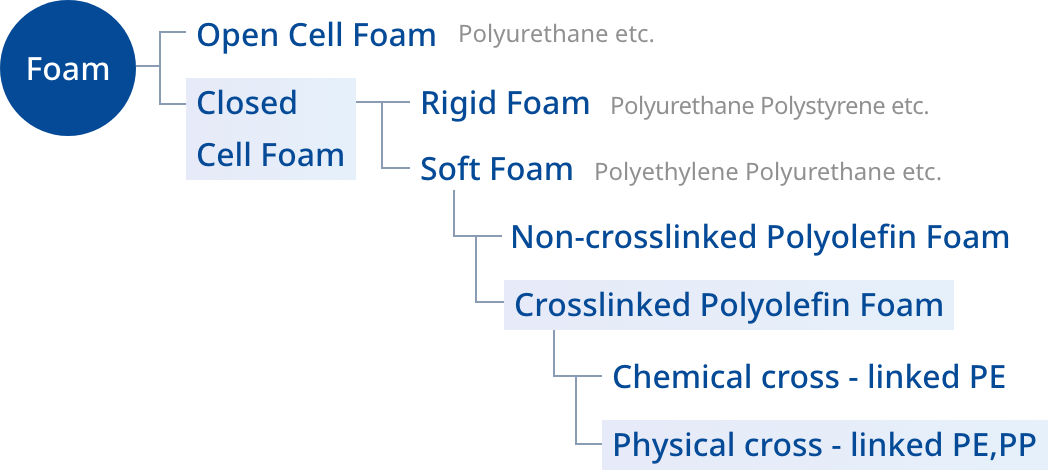
Foam types
What Is Foam?
Foam is a type of material in which fine air bubbles are uniformly dispersed inside resin materials such as plastics, creating a porous structure.
The term comes from the English word “foam,” meaning bubbles, and it is also commonly referred to as foam material. Because foam contains a large amount of air within its structure, it is lightweight and offers excellent cushioning, thermal insulation, and sound insulation properties.
Foam easily absorbs external impact and does not readily transmit heat or sound, which is why it is widely used in applications such as cushioning materials, thermal insulation, soundproofing materials, and packaging.
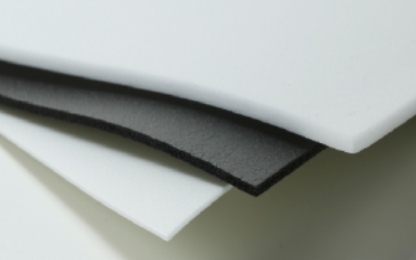
Common examples of foam can be found in everyday life, including kitchen sponges, sofa and chair cushions, and bedding products such as pillows and mattresses. These applications contribute to improved comfort and safety.
In addition, foam materials can be tailored to meet specific performance requirements. By adjusting the expansion ratio and material composition, foam can range from highly flexible soft foam to rigid foam with enhanced strength. As a result, foam is an indispensable material not only for daily consumer products, but also for automotive parts, home appliances, building materials, and industrial equipment.
Sekisui Foam
- Crosslinked Polyolefin Foam
- Crosslinked polyolefin is a material in which the molecular chains of polyolefins (polyethylene and polypropylene) are bonded together.By crosslinking the molecular structure, strength, heat resistance, chemical resistance, etc. can be improved. This is called crosslinking because the reaction combines each long molecular chain like a bridge.
- Physical cross-linked PE,PP
- Emitting an electron beam on a polymer material can break some molecular bonds and generate active spots (radicals). Irradiation crosslinking is a technique to bond these active spots to each other.
Compared to chemically cross-linked products, irradiation cross-linked products are more uniform and stable. The advantages include a soft and smooth surface, and good color development without using a crosslinking agent.
- Closed Cell Foam
- It is a structure of foam where the inner bubbles are independent, not connected to each other. When the inner bubbles are connected to each other, it is a structure called “open cell.” Closed cells do not easily release the inner air. So, they moderately bounce, quickly recover their original shape, absorb no water, and resist water.
Sekisui Foam Manufacturing Process
Extrusion process
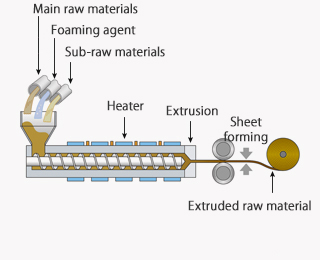
- Processing polyolefin resin into sheets
- Mixing polyolefin resin with a blowing agent and sub-raw materials, and extruding the mixture into sheets. The sheet thickness can be precisely controlled with proprietary forming technology.
Irradiation process
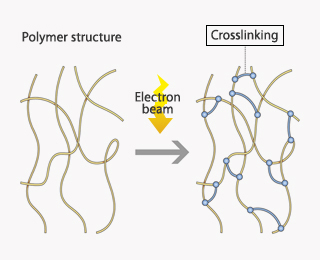
- Molecule structure further strengthened with electron beam application
- Formed sheets are crosslinked with proprietary electron beam application technology, bringing excellent mechanical strength and smoothness, which cannot be obtained with chemical crosslinking.
Foaming process
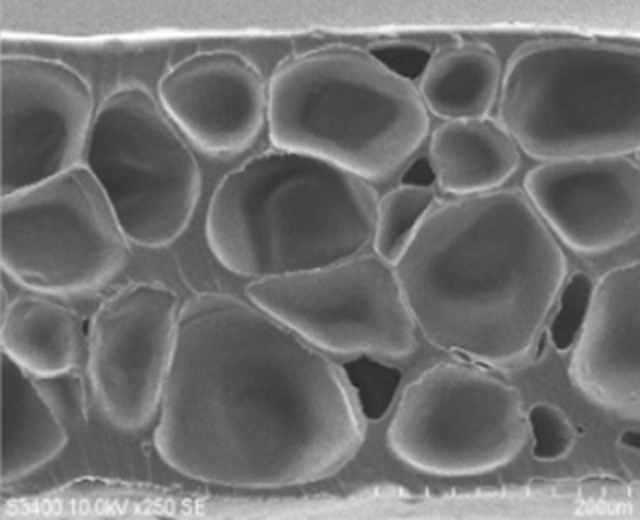
- Foam foaming by heating
- Sheets are foamed by heating, creating a foam with a volume of up to 40 times, which creates closed cell foam that are superior in thermal insulation and shock absorption compared to Open cell foam.
Product Lineup
110℃ 5SOFTLON™SPHeat resistant 120℃
high molding 6VOLARA™ IF
VOLARA™ ES
VOLARA™ XL-EESoft 6VOLARA™ XL-HHigh strength
0.06mm and
over thickness- 7XLIM™High flexibility
0.04mm and
over thickness- 8XLIM™-HRHeat resistant 120℃
0.1mm and over thickness-
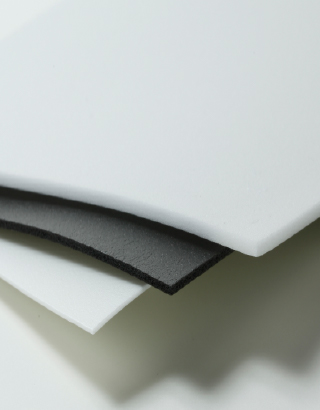
Multifunctional PE foam SOFTLON™ S series
General-purpose grade of closed-cell foam offering both flexibility and thermal insulation
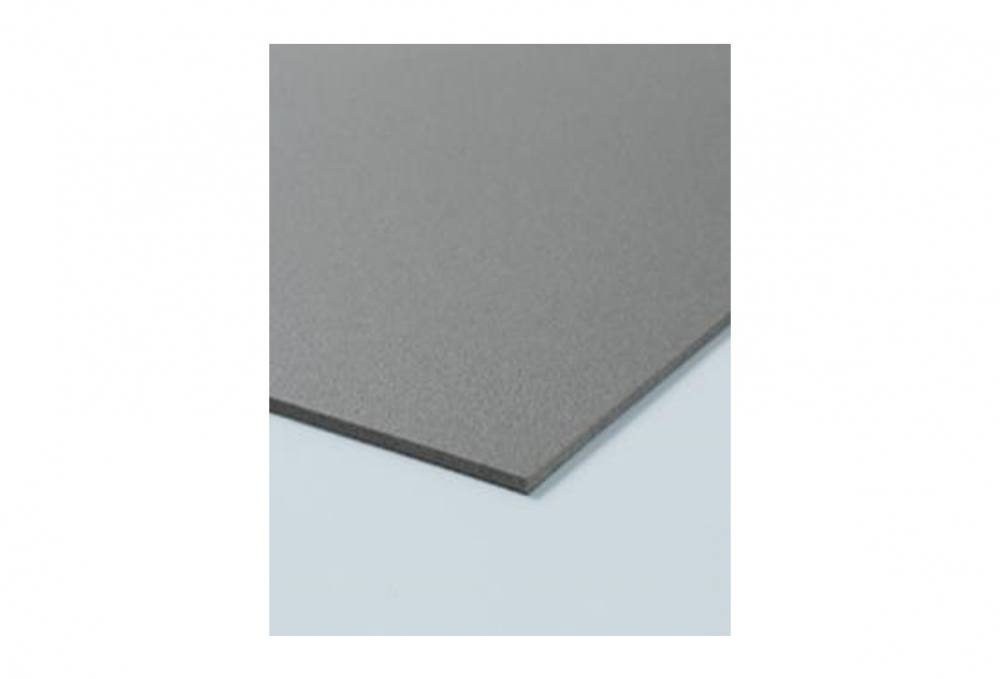
Flame-retardant PE foam SOFTLON™ FR ND series
Flame-retardant foam material with excellent thermal insulation and heat retention properties
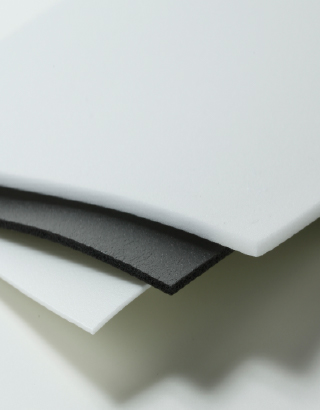
High-elongation, high-formability PE foam SOFTLON™ IF series
High-performance foam with flexibility, elongation, and excellent thermoformability for greater design freedom
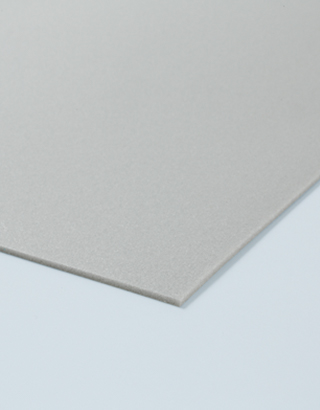
High heat-resistant, high-formability PE foam SOFTLON™ NF series
Heat-resistant PE foam with excellent moldability that retains its shape even at 100°C
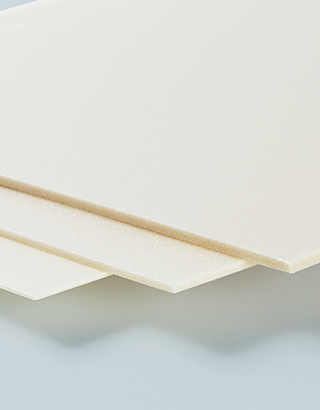
High heat-resistant, high-rigidity PP foam SOFTLON™ SP series
High-rigidity PP foam with excellent dimensional stability under high temperatures
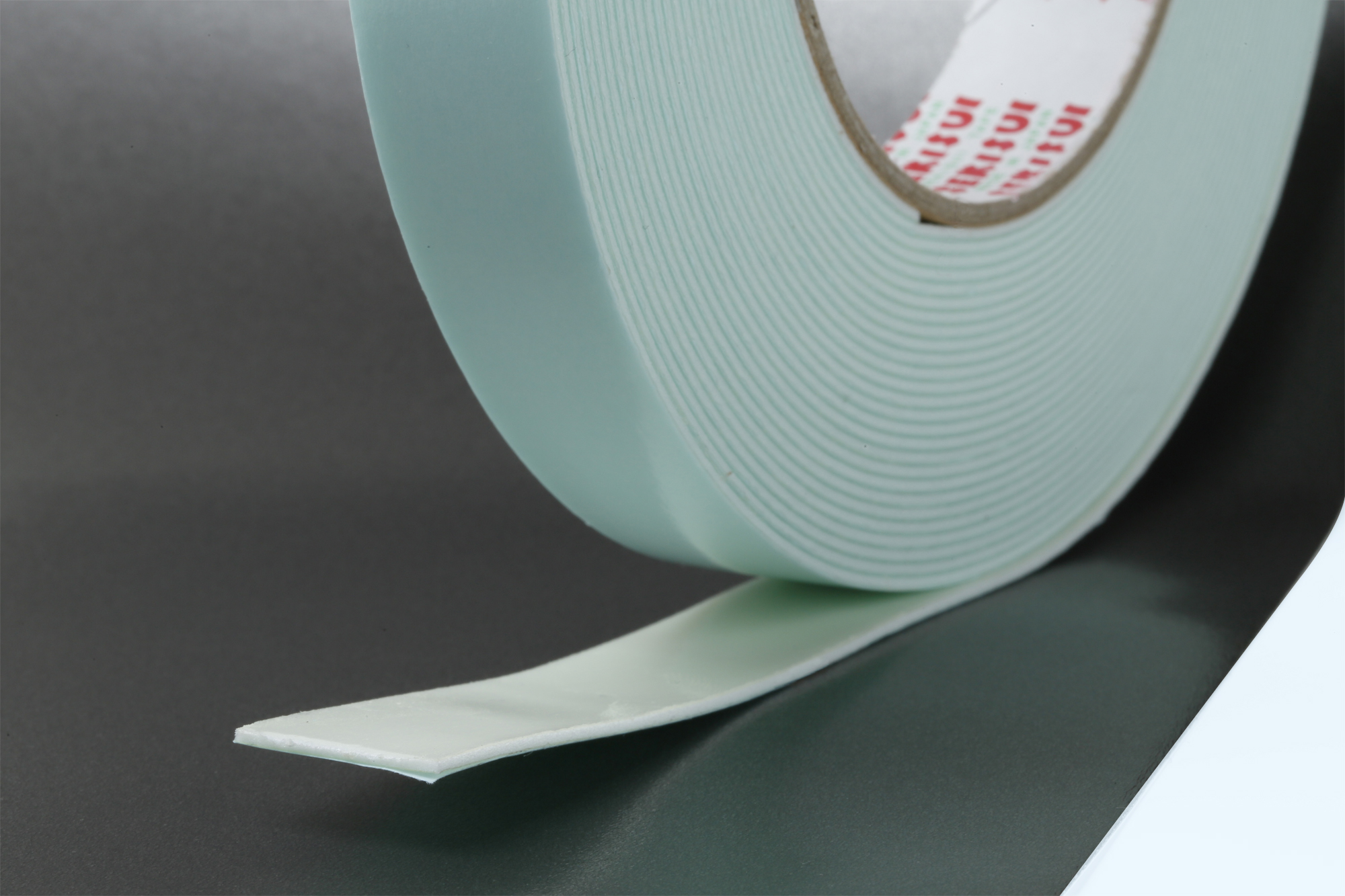
Thin, high-performance foam VOLARA™
Foam designed with thinness and flexibility, developed as a high-performance tape base material
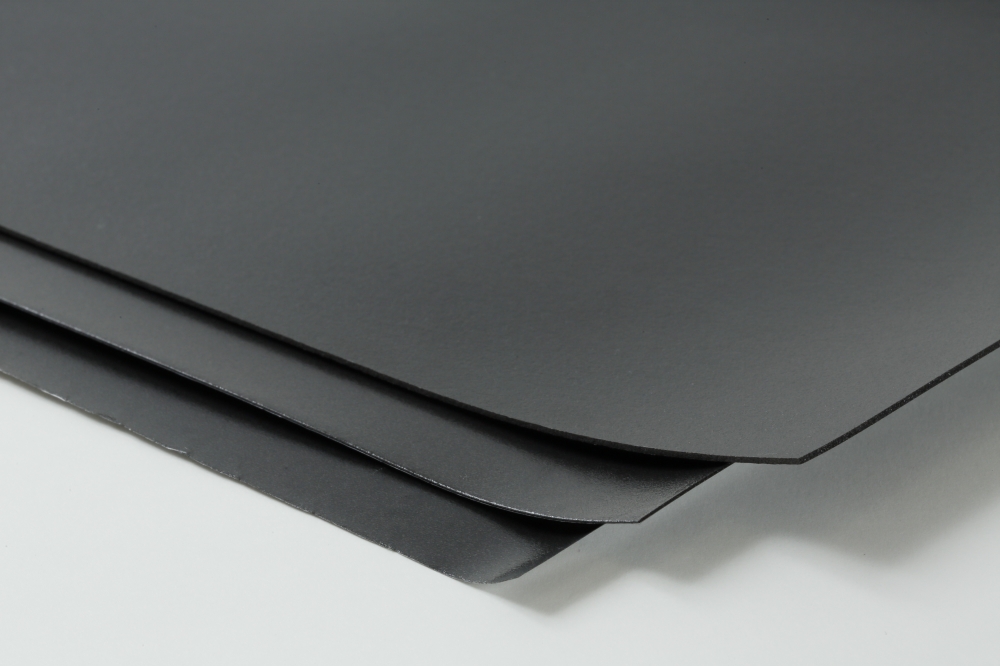
Closed-cell form XLIM™/XLIM™-HR
Next-generation device foam that absorbs impact, even at a thickness of just 0.06 mm
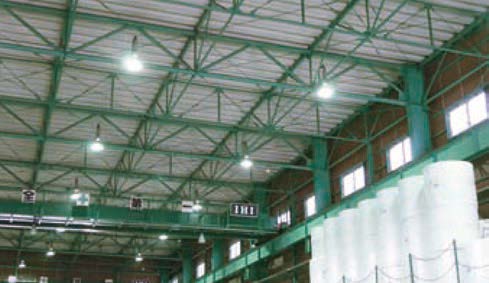
Thermal insulation foam for corrugated roof panels SOFTLON™ SK series
Roof insulation material for folded-plate roofs with reliable thermal insulation and excellent workability
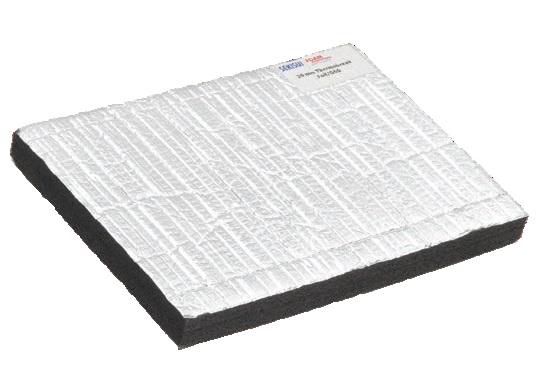
High-performance insulation material for air-conditioning equipment THERMOBREAK™
Foamed polyolefin insulation material with globally recognized thermal insulation performance and workability
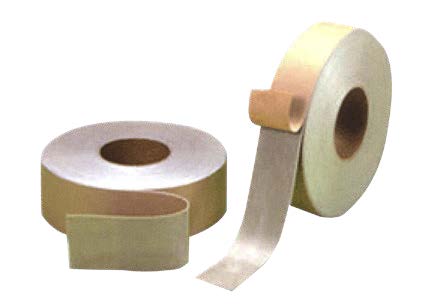
Soundproofing & Vibration-Damping VIBLESS Roof Sheet / Floor Sheet (For Roofs / Floors)
High-performance vibration-damping sheets that effectively suppress noise and vibration throughout the home—from the roof down to the floor.
Water- and chemical-resistant foam for elastic sealants LIGHTLON™ R series
Water- and chemical-resistant backup material for elastic sealants
Features and functions
- Water resistance/Water absorption
- Strength/Toughness
- Flexibility
- Heat resistance
- Thermal insulation
- Thinness
- Shock absorption
- Sealing of uneven surfaces
- Thermoformability
- Smoothness
- Electrical characteristics
- Chemical resistance/Oil resistance
- Low environmental load
- Workability
Water resistance/Water absorption
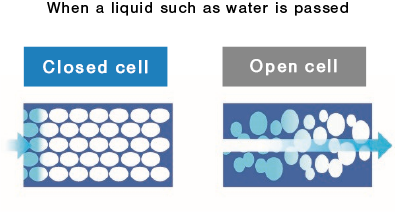
- Closed cell foam made of polyolefin resin having low water absorption impregnable to water
-
Since polyolefin is lipophilic resin, it is a low-hygroscopicity material. The cells in SOFTLON™ are not connected, which does not allow entry of water, exhibiting excellent water resistance. In the long history of SOFTLON™, this feature has extended its applications from bathroom mats to packing materials.
Strength/Toughness
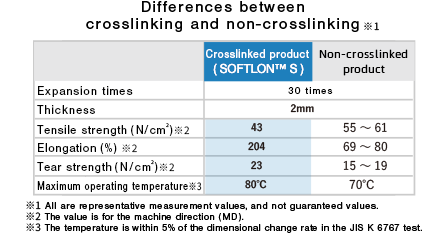
- Widely used as a sturdy yet flexible material with superior heat resistance over non-crosslinked foam
-
Crosslinking the molecular structure with entangled string-like polymers further tightens the molecular bonds, which results in a molecular lattice mesh structure, improving heat resistance and strength. With these structural features, SOFTLON™ is highly regarded for its sturdiness and flexibility compared to non-crosslinked polyolefin foam.
Flexibility
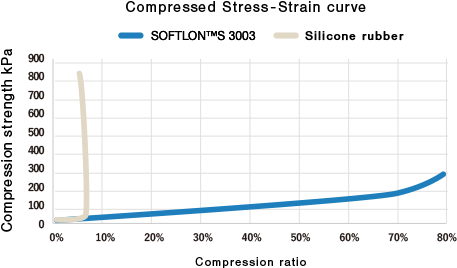
- Resin’s intrinsic softness and closed cell structure providing reasonable bouncing and cushioning
-
The cell of electron-crosslinked sheets will contain more air in the later foaming process. Cells with various expansion times create a closed cell structure in which all cell are separated with walls.
Different with a open cell structure, a closed cell structure has unique cushioning and shock absorption characterized with reasonable bouncing with no bottoming out (touching the base when pressed down).
Having excellent shock absorption even with small thickness, SOFTLON™ sheets are used package cushioning for precision instruments.
Heat resistance
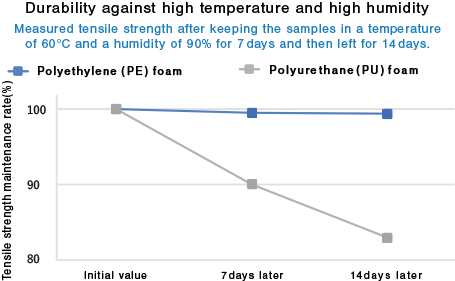
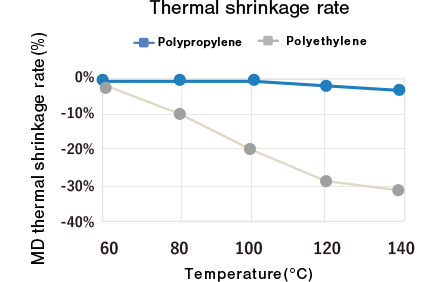
- With excellent heat-resistance, polypropylene (PP) resin has minimal thermal shrinkage even in the high temperature range.
-
The rate represents how much the foam changes in size at each temperature when heated without an external force applied. While polyethylene foam deforms as shown in the figure on the right when heated to 80°C or higher, polypropylene foam has excellent heat resistance with a shrinkage rate of 3% or less even at 140°C.
Thermal insulation
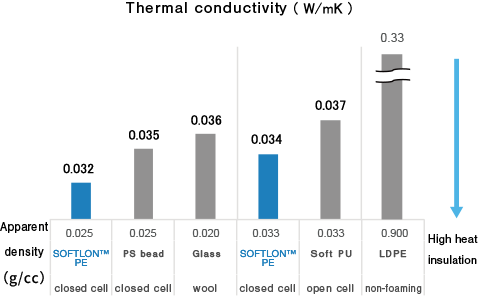
- Foam containing a large amount of air with minimized convection resulting in low thermal conductivity and superior thermal insulation performance
-
Containing a large amount of air with high expansion times, SOFTLON™ has superior thermal insulation (= lower thermal conductivity) compared to general insulations. Each small cells in foam is closed so that the amount of convection is limited, conducting little heat, which is thought be the reason for excellent thermal insulation. Different from glass wool and rigid foam, SOFTLON™ is easy to forming and good installation. Therefore, it is suitable for insulators for filling very small spaces in houses and various machinery.
Thinness
- Sekisui’s proprietary thinning technology realizes thin foam of 1 mm or less.
-
An ordinary foam increases its volume by foaming. However, the thin foam proposed by Sekisui minimizes the cell size of the bubbles during foaming to reduce the thickness of the products to the utmost limit, thus contributing to the downsizing of electronic devices.
Shock absorption
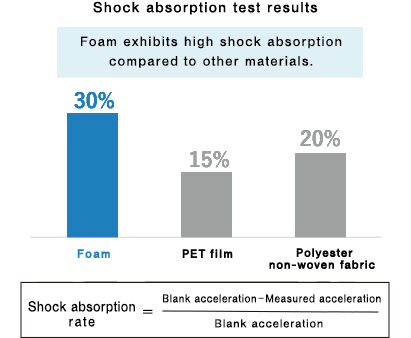
- With the inherent flexibility of the resin and the bubble cell structure of the foam, the physical high-speed pressure (shock energy) is evenly dispersed.
-
Shock energy is generated when an object moves and physically contact with another object. The shock can be absorbed by converting it into heat energy.
Sealing of uneven surfaces
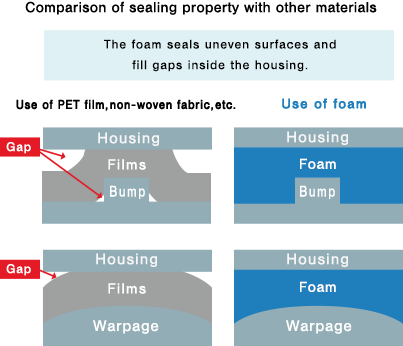
- With its flexibility, the foam seals uneven or sharp surfaces to achieve high sealing property.
-
The sealing property of a sealer such as tape is greatly affected, not only by the properties of the material substance, but also by its close physical contact with the uneven surface of the adherend. A material with high flexibility eliminates gaps with the adherend and realizes high sealing performance.
Thermoformability
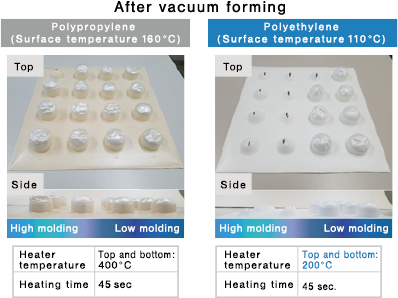
- Polypropylene (PP) resin has excellent heat-stability, SOFTLON™ SP can withstand high temperatures during molding, enabling highly deep drawability.
-
Polypropylene (PP) has a higher melting point than polyethylene (PE).
Therefore, with its excellent heat resistance even at high temperatures during molding, PP can achieve both excellent thermoformability and cushioning. Specifically, PP is widely used for automotive interior trim materials and fruit protection trays.
Smoothness
- An even and clean surface with finer cells compared to chemical crosslinked foam, suitable for adhesion and coating
-
Electron beam crosslinking is a crosslinking process that accelerates electrons with a high voltage and emits them onto sheets. Since the beam electrons evenly and stably penetrates through each sheet, the resulted crosslinking is more uniform compared to other methods including that using a crosslinking agent such as peroxide (chemical crosslinking). Uniform crosslinking enables even foaming, which creates a smooth surface layer suitable for adhesion and coating.
Electrical characteristics
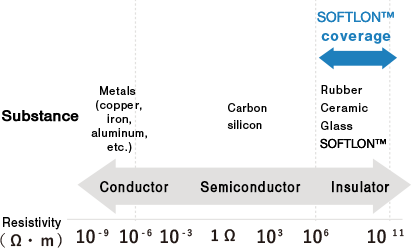
- Closed cell foam containing a large amount of air providing excellent dielectric strength and low permittivity.
-
Closed cell structure, in which air with low dielectric strength is enclosed in separated small spaces, exhibits superior dielectric strength. In addition, polyolefin, which has a relatively low permittivity compared to other general-purpose plastics, formed in a structure containing air provides even lower permittivity. With attention focused on these features, SOFTLON™ has been used to pack precision instruments and fragile modules such as RFID tags. With attention focused on these features, SOFTLON™ has been used to pack precision instruments and fragile modules such as RFID tags.
Chemical resistance/Oil resistance
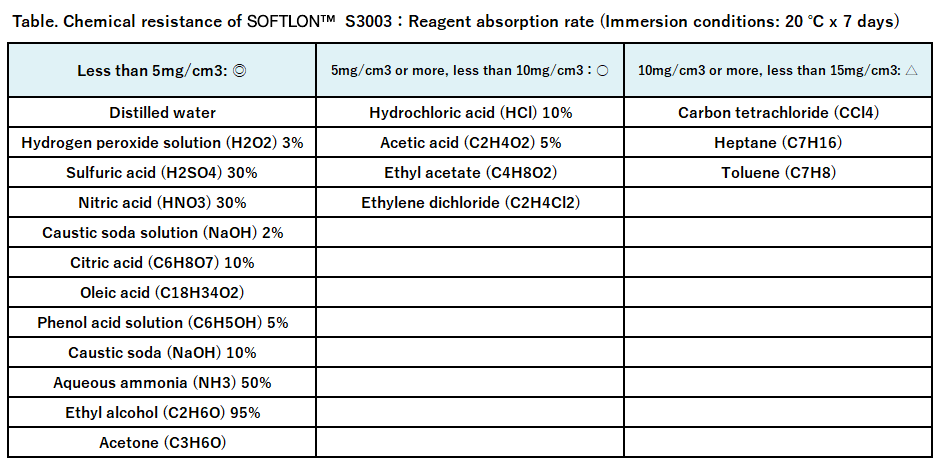
- With superior resistance against acids, alkalines, organic solvents, and other chemicals, used in many industries
-
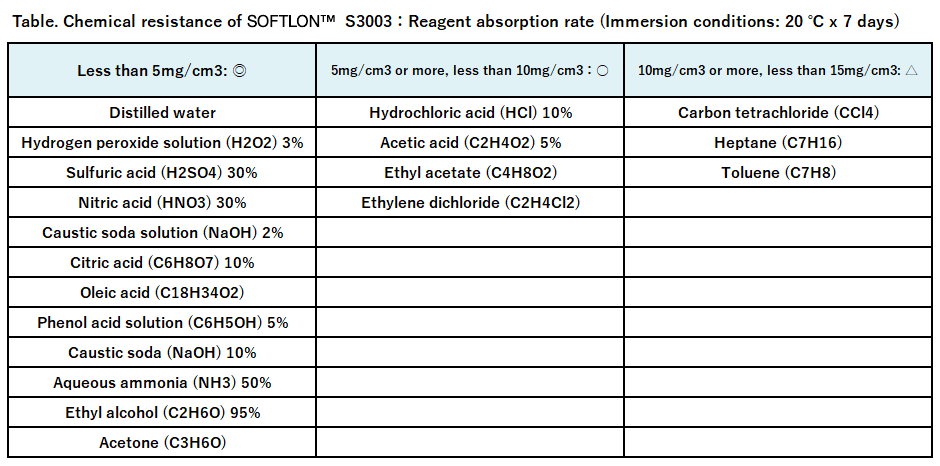
SOFTLON™, mainly composed of polyethylene, inherits the high chemical resistance of the main component. With superior resistance against acids, alkalines, and organic solvents, which have adverse effects on other foaming materials including swelling, shrinking, and to dissolving, SOFTLON™ is serving various industries from the background.
 open
openLow environmental load
- Being halogen-free, generating no toxic gases when burnt
-
Polyolefin is a type of plastic. It is the generic name of a polymer (resin) obtained by synthesizing monomers (i.e. unit molecule) with a carbon-carbon double bond.
SOFTLON™ is foam mainly composed of polyolefin (principally polyethylene). Since it does not contain halogens such as fluorine and chlorine, it does not generate highly toxic gases when burnt.
Workability
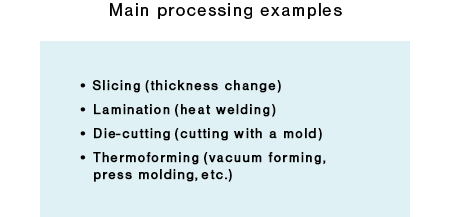
- Excellent shape stability realizes various processing.
-
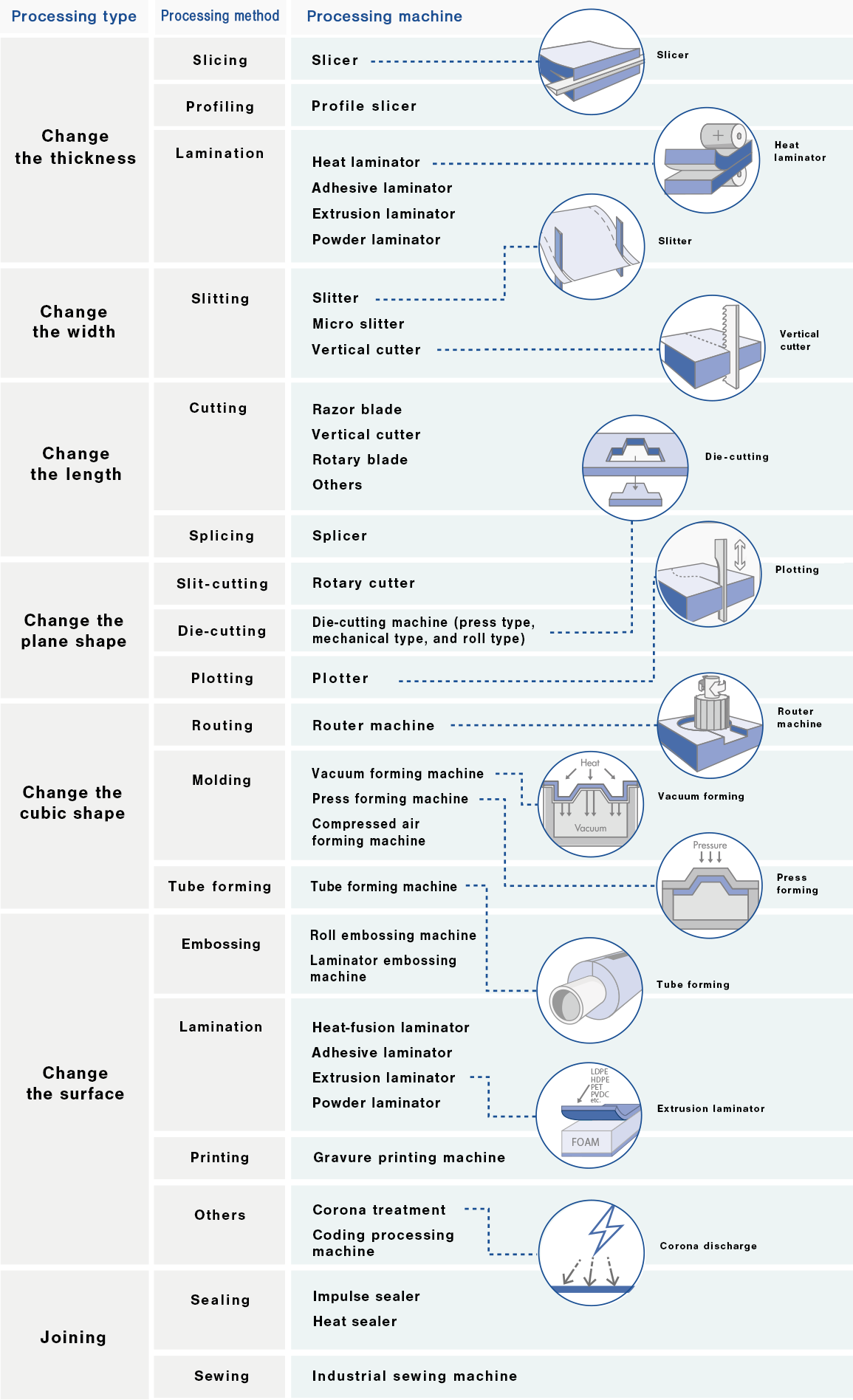
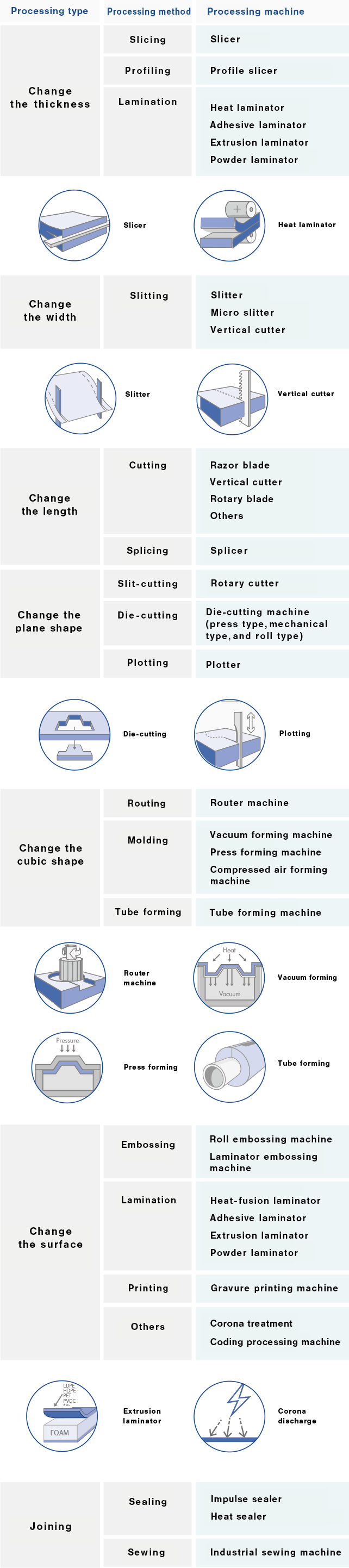
Using thermoplastic polyolefin resin, SOFTLON™ can change the fluidity of the polymer by changing the temperature. By heating and melting, it can attach other materials or deform the foam. By taking advantage of the shape stability at room temperature, it can also be cut into complicated shapes.
Workability
FAQ
- I would like to receive physical property data for your products.
-
You can download it from here. If you do not find your proper data, please contact us from this page (inquiry form) by describing the product name, features that can identify the product such as density (foaming ratio) and thickness, and the details of your required data.
- I would like to confirm whether a specific chemical substance is contained or not.
-
You can download the product safety data sheet (SDS) and RoHS Non-Use Certificate from here. If you are currently using our products, please contact our sales representative. If you are not currently using our products, please contact us from this page (inquiry form) by describing the product name, features that can identify the product such as density (foaming ratio) and thickness, and the formal name and CAS No. of chemical substances.
- I would like to have your suggestions for processing technique, technical advice, and proposal based on usage. I would like you to study whether you can add new features and physical properties to the foam.
-
We will contact you. Please contact us from this page (inquiry form) by describing product name, application, requirements, and problems.
- I would like to have some product samples.
-
We will contact you. Please contact us from this page (inquiry form) by describing the product name, features that can identify the product such as density (foaming ratio) and thickness, applications, and the required quantity of samples.
- I would like to know the product price (design price and reference price).
-
We do not provide design price or reference price. We will contact you. Please contact us from this page (inquiry form) by describing the product name, features that can identify the product such as density (foaming ratio) and thickness, applications, planned purchasing quantity, and your business history with the Sekisui Chemical Group companies (specific company name, if you have business).
- I would like to purchase products in Japan or overseas. I would like to know the purchasing route for specific products.
-
For product purchases in Japan and overseas, we provide guidance on the appropriate purchasing routes.
If you wish to purchase products overseas, please first check our overseas group companies.
If the relevant product is not available, or if you have inquiries regarding purchasing conditions (such as foaming ratio, dimensions, or quantity), please contact us via this page (inquiry form).
- We would like to make a product proposal to Sekisui and the Foam Division.
-
Sekisui Chemical Group accepts a wide range of product proposals. Please contact Material Procurement of Sekisui Chemical Co., Ltd. This website does not accept questions, inquiries, or suggestions regarding material procurement.
Global Network
As product offerings vary by location, please visit each local site before contacting us.
Europe


North America

Asia & Oceania
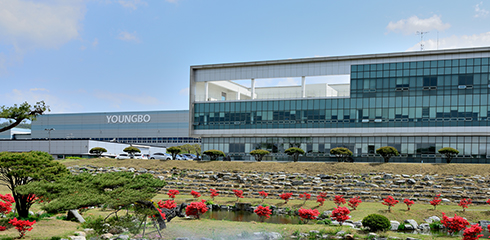

- YOUNGBO CHEMICAL CO., LTD.
- 230-23 Seobu-ro, Gangnae-myeon, Heungdeok-gu, Cheongju-si, Chungbuk 28174, Korea
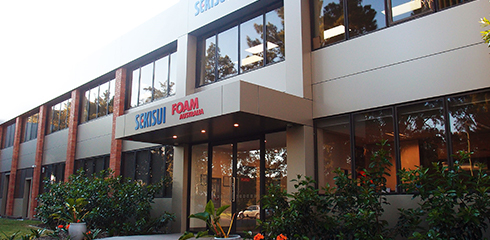

- SEKISUI PILON PTY.LTD. (SEKISUI FOAM AUSTRALIA)
- 1- 5 Parraweena Road, Taren Point, Sydney, NSW 2229, Australia
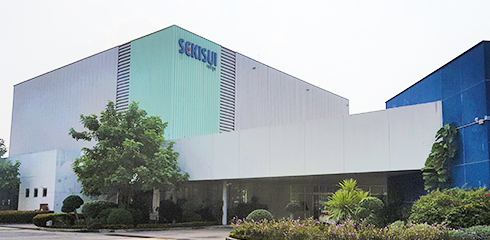

- THAI SEKISUI FOAM CO., LTD.
- 700/379 Moo6, Tumbol Don Hua-loh, Amphur Muang, Chonburi 20000, Thailand